Reasons You May Not Be a Candidate for Dental Implants and How to Fix It
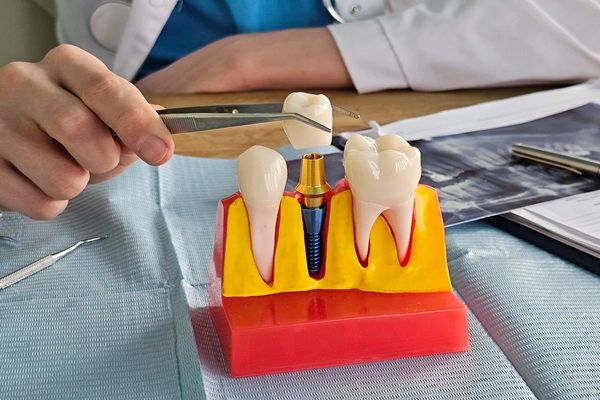
Dental implants provide a reliable, long-term solution for replacing missing teeth, but not every patient qualifies for treatment immediately. Several oral health and medical factors can affect whether implant placement is appropriate at the time of evaluation. The goal of a general dentist is to identify these concerns and develop a treatment plan that improves eligibility whenever possible.
Healthy bones support successful treatment
One of the most important requirements for dental implants is adequate jawbone volume. The implant post must fuse with healthy bone to create a stable foundation for the replacement tooth. Bone loss commonly occurs after a tooth has been missing for an extended period because the jaw no longer receives stimulation from the tooth root.
Fortunately, insufficient bone does not always rule out treatment. Bone grafting procedures can rebuild areas of lost bone, creating stronger support for future dental implants. After the graft heals, many patients become excellent candidates for implant placement.
Gum health matters
Healthy gums help support dental implants for many years. Active gum disease can damage the tissues and bone surrounding the implant, increasing the risk of complications. During the evaluation, the dentist carefully examines the gums for signs of inflammation, infection, or bone loss before recommending treatment.
If gum disease is present, periodontal therapy often becomes the first step. Professional cleanings, scaling and root planing, or other treatments help restore gum health before implant surgery begins. Treating these conditions first improves the likelihood of long-term implant success.
Certain habits and health conditions require attention
Some lifestyle habits and medical conditions may affect healing after implant placement. Tobacco use slows healing and increases the risk of implant complications. Certain uncontrolled medical conditions may also interfere with the body's ability to recover after surgery.
These factors do not always permanently prevent treatment. Depending on the situation, a dentist may recommend improving overall health, working with a physician to better manage medical conditions, or stopping tobacco use before proceeding with dental implants. A personalized evaluation helps determine the safest treatment timeline.
A complete evaluation guides treatment planning
Every patient presents a unique combination of oral health needs. During the consultation, the dentist evaluates several important factors before recommending dental implants, including:
- Jawbone volume and density
- Gum health
- Overall oral hygiene
- Bite alignment and neighboring teeth
- Medical history and healing considerations
This comprehensive assessment allows the dentist to recommend any preliminary procedures that improve the chances of successful treatment.
Many patients can become candidates
Being told that dental implants are not the right option today does not necessarily mean they will never be possible. Many concerns that affect candidacy can be successfully addressed through bone grafting, periodontal treatment, improved oral hygiene, or other preparatory care. Once these issues are resolved, many patients become eligible for implant placement and enjoy the long-term benefits of a stable, natural-looking tooth replacement.
Learn more or contact our office
Dental implants remain one of the most effective solutions for replacing missing teeth, and careful planning helps create lasting results. A comprehensive evaluation can identify any barriers to treatment and determine the steps needed to achieve a healthy, functional smile. Call our office for more information or to schedule a dental implant consultation.
Request an appointment here: https://www.drbrucematson.com or call Bruce Matson, DDS at (713) 481-4626 for an appointment in our Houston office.
Check out what others are saying about our dental services on Yelp: Dental Implants in Houston, TX.
Recent Posts
If the idea of getting dental implants intrigues you, it may be time to speak to your dentist about this treatment. You need sturdy teeth for good oral health, as well as to eat and smile normally. Implants not only improve your mouth’s function but will also look just like your natural teeth.While dental implants…
You can get a dental implant (or multiple dental implants) in less than six months. While many patients understand the benefits of a dental implant, many often avoid treatment out of fear that the process is too invasive or takes too long. This review explains what you can expect throughout the treatment process. Getting a dental…
General dentists often recommend dental implants due to the range of benefits they offer. These benefits include a more natural appearance, more comfortable fit and unmatched durability. Understanding more about dental implants can help you decide if they are better than dentures or a fixed bridge for teeth replacement. Some patients have concerns when deciding if…
Getting dental implants is a process that takes several procedures done over several months. Some of the visits are for oral surgery, so you will have to prepare yourself.Small preparation steps will help to get your body ready for the procedures, while others will help you heal after the oral surgeries.Here is what you need…